Two of the most common ways water can be made safe to drink is by either purification or filtration. A water filter is designed to remove waterborne protozoa and bacteria, but not viruses. A water purifier is designed to remove or inactivate protozoa, bacteria and viruses, offering a higher level of defense. Types of viruses found in water that could be a concern include polioviruses, echoviruses and coxsackieviruses. The human health risk to ingesting water contaminated with viruses can range from gastroenteritis to meningitis.

In the U.S. an estimated 6,630 people die every year from unsafe drinking water. And in the world roughly 1.2 million people die every year from the same cause. Most of these victims are children and elderly. This does not include the other 7.2 million Americans who get sick every year from drinking dirty water. It is estimated that 26% of the world does not have access to clean drinking water. It is important to understand how common contaminated water is and the very serious and unwanted risk associated with consuming it. These our four ways that you can make your drinking water safe.
1. Boiling Water
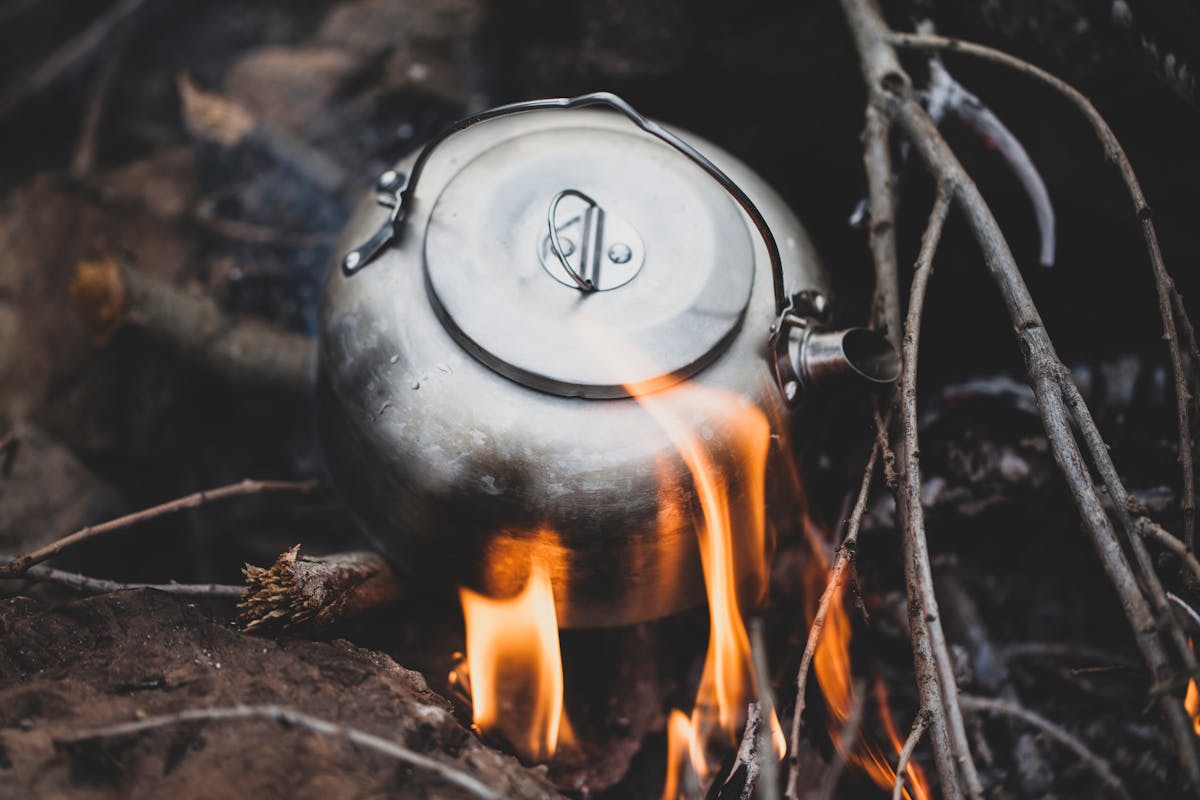
Boiling water is be said to be one of the most effective ways of making water safe to drink. It will kill viruses, bacteria, and protozoa. Although it is very effective it is not the most efficient. You will need to carry fuel for a camp stove or rely on building a fire every time you want to purify water. It is a good idea to run the water through some type of simple filter (shirt, bandanna, neck gaiter) before boiling if the water has a lot of solid organic matter in it. To make the water completely safe, you will need to bring it to a rolling boil for 1 minute, and if at altitudes higher than 5000 feet it must be brought to rolling boil for more than 3 minutes.
Pro Tip: Boiled water often tastes a little flat. To improve the taste of boiled water, transition water to another container to add in oxygen or add a pinch of salt.
2. SteriPEN

The SteriPEN is the leading brand of UV Light Water Purification. It was created in the late 1900’s, however it did not start becoming very popular until the early to mid 2000’s. The SteriPEN works by disrupting the DNA within bacteria, viruses, and protozoa, which will inactivate them and make them harmless. Per instructions it is said that the water needs to be fairly clear for best results. The more murky the water the longer you should use the SteriPEN for. It will require you to carry a backup set of batteries and the UV light bulb can be fragile. This is the most expensive method of purifying water at around $101-$115 dollars per unit. It is certainly the most simple to use and very effective.
3. Water Filter

A water filter like the Sawyer mini will filter out bacteria and protozoa including cryptosporidium, however it will not filter out viruses. It is rated to 0.1 micron absolute filtration. The Sawyer mini is my personal favorite water filtration system. I include it in my kit, so it goes with me anytime I go into the backcountry. You cannot beat the price which ranges from $21-$24 dollars.
Pro Tip: Use the Sawyer mini with 1 Liter Smart Water bottles. You can screw it right onto the bottle for easy use.
4. Water Purification Tablets
Water purification tablets like the ones from Potable Aqua will kill bacteria, protozoa, and viruses. One of the biggest benefits to these is that they are cheap, lightweight, and simple to use. On the downside, they will give the water a slightly unpleasant taste and can take up to thirty minutes. If you’re in a place where cryptosporidium is a concern, it is advised that you wait up to four hours after adding the tablets until you drink the water. Although the tablets are deemed safe some people do experience side effects such as nausea, dizziness, or drowsiness especially if used for long periods of time.
Water should be a concern anytime you go into the backcountry. By having the ability to purify water while on a trip, you will be bale to go further distances because your’re not limited to what you can carry on your back. As with most tools, you should test them out and learn how they work before you go out into the wilderness. So go outside, stay hydrated, and have fun!